Campbell students grow community ties with spider plants
April 17, 2026
Campbell Elementary School second graders planted a love of reading into their lives this spring by taking home physical reminders of a cherished book.
More than 100 Coyotes received their own baby spider plants as part of a school library project. Librarian Jeanette Broxterman came up with the idea after she spotted “The World’s Best Class Plant” on this year’s list of Golden Sower Award book nominees. She gathered dozens of plants from area residents to give to eager second graders.
Bella and Rishaank sat together at a library table after placing their plants in their new homes. Both were writing names on the side of plastic cups that held the young sprouts. Bella decided to call her plant Miss Bella and Rishaank landed on Tummy for his name.
“I’ve always wanted a plant,” Bella said. “Now I have one.”
“I love this plant,” Rishaank said. “I can regrow it and have more if I want.”


Ava was also excited to receive her houseplant in the library. She drew several hearts on her cup after deciding to call it Lily.
“I wanted to name it Lily because it’s a girl,” Ava said.
Broxterman said the book provided a perfect opportunity to help the Coyotes grow their affection for reading in a fun way. The Nebraska Library Association picked “The World’s Best Class Plant” as one of ten nominees for the 2025-26 Golden Sower Award. The annual program aims to sow seeds of literacy in students by encouraging them to look at high-quality literature.
Broxterman felt she could copy the book’s storyline by giving 100 spider plants to every second grader. She decided community engagement was the way to go to achieve her goal, and she posted her request on social media platforms to spread the word.
At first, the response was slow. She received one spider plant from a friend, but there were no others for several days after her initial invitation.
“I was a little worried,” Broxterman said. “I wasn’t sure at first if we were going to make it.”


That trickle soon turned into a waterfall of community involvement. Friends, co-workers and people from across Lincoln began giving her plants at homes, schools and offices. She lined up trays of vegetation next to a row of library windows as the winter moved along.
Broxterman said one of her top goals for the project was to inform families about the vast amount of learning taking place at Campbell. She felt that having a physical plant at home would encourage children to talk more about school activities and assignments. Those conversations would then foster a deeper sense of connection among families, children and staff members.
“I hope that the students will talk about the book with their families and have a daily reminder of the cool things that we do in school,” Broxterman said. “I think a tangible item like a plant can spark those conversations. Sometimes parents don’t get to hear about those things from kids, but having a plant around is a way to show them that we are doing a lot of awesome things here to connect them with reading and learning.”
After listening to a presentation of “The World’s Best Class Plant,” students ventured to the courtyard to receive their memento. They filled a cup with fresh dirt, inserted their new plant into it and gave it their first drinks of water. They then proudly returned to the library to decide on a name.
Bella said she had been looking forward to picking out her plant from one of the trays. She said it was important to keep watering it so it would continue to grow.
“I learned that when you get something you have to care for it,” Bella said.


Ava said the book taught her about the value of plants. Characters in the story become attached to Jerry the Plant in their elementary school classroom throughout the school year. They learn how small things like a growing spider plant can brighten the day for everyone.
“I liked the book, and now I like plants too,” Ava said.
Broxterman said the project has also informed children about the joy of giving. Some second graders were concerned that Coyotes in kindergarten or first grade wouldn’t have their own vegetation at home. She talked to classes about how spider plants produce spiderettes at the tips of their offshoots. The small plantlets can be snipped off the mother plant, placed in soil and then raised to become new treasures for people.
“I told them to remember how spider plants can make babies, and that they could give those to a friend so they could have a plant too,” Broxterman said. “They got pretty excited about that.”
Broxterman said the spider plant project would till the reading soil for many Coyotes as they move through their elementary school years.
“I love plants, so this has been a lot of fun,” Broxterman said.
Learn more about the powerful reading opportunities that LPS libraries provide to students.
Do you have a story idea? Share it with the LPS Communications Team by filling out this form!
Published: April 17, 2026, Updated: April 17, 2026
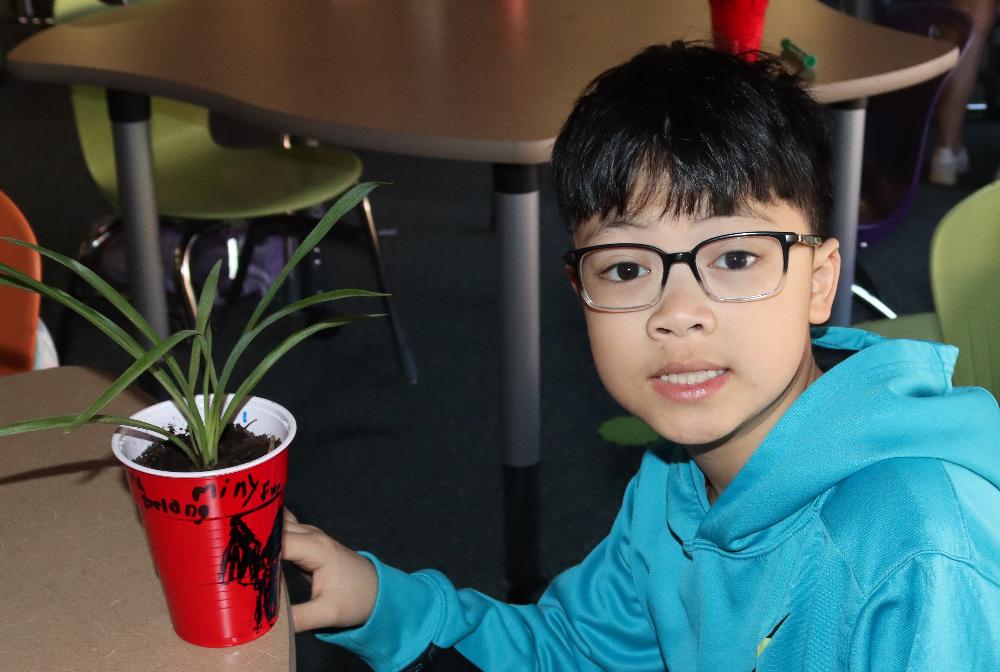
Campbell Elementary School second grader Ducminh smiles next to his new spider plant. Second graders received spider plants to take home as part of a school library project.